Which Chinese car brands are available in the USA?
Chinese car brands are available in the USA
The global automotive industry is witnessing a profound shift as emerging manufacturers challenge long-established brands. Chinese car brands, once known primarily for their domestic success, are making their way into international markets, including the United States. With a focus on innovation, electric mobility, and competitive pricing, these manufacturers are introducing new options for American consumers, redefining expectations for quality and affordability in the automotive sector.
Although the presence of chinese car brands in the U.S. has been limited compared to other regions, several automakers have successfully entered the market or are preparing for expansion. Among the most prominent is BYD, a leading electric vehicle manufacturer that has gained global recognition for its advancements in battery technology and sustainable transportation. While BYD’s passenger vehicles are not yet widely available to American consumers, the brand has made significant inroads with its electric buses and commercial vehicles, demonstrating its commitment to clean energy solutions.
Polestar, a premium electric vehicle brand under the Geely umbrella, has also established a strong presence in the United States. While Polestar operates as a Swedish company, its deep ties to Geely highlight China’s growing influence in the luxury EV sector. The Polestar 2, an all-electric sedan, has been well received for its sleek design, high performance, and advanced technology, positioning it as a competitor to established brands like Tesla.
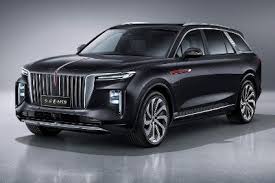
Which Chinese car brands are available in the USA?
Another notable brand connected to China’s automotive industry is Volvo, which, although still headquartered in Sweden, has been owned by Geely since 2010. Under Geely’s leadership, Volvo has embraced electrification, introducing hybrid and fully electric models that align with the global shift toward sustainable mobility. Volvo’s integration of Chinese-backed innovations demonstrates how China’s automotive sector is influencing even well-established brands in the U.S. market.
Additionally, Chinese automakers such as NIO and Xpeng have expressed interest in expanding into the United States. Both brands are recognized for their high-tech electric vehicles, featuring advanced driver-assistance systems and long-range capabilities. While neither has yet officially launched sales in the U.S., their growing success in Europe and other international markets suggests that an American debut could be on the horizon.
Li Auto has taken a different approach by specializing in extended-range electric vehicles (EREVs), which feature a small onboard generator to recharge the battery and extend driving range. The Li L9 and Li L8 SUVs are prime examples of this innovative strategy, providing consumers with the benefits of electric power without the limitations of traditional battery-electric vehicles. This hybrid approach has resonated well with buyers looking for greater flexibility and convenience.
While trade policies and regulatory challenges have slowed the direct entry of some Chinese car brands into the U.S., ongoing advancements in electric vehicle technology and shifting consumer preferences could pave the way for greater market penetration. With an increasing focus on sustainability and affordability, Chinese manufacturers have the potential to become key players in America’s evolving automotive landscape. As the industry continues to change, the presence of Chinese car brands in the U.S. is likely to expand, offering new choices and driving innovation in the market.


