Why is red teaming important for cybersecurity?
red teaming important
Cybersecurity has become one of the most critical priorities for organizations as cyber threats continue to evolve in complexity and scale. Businesses invest heavily in firewalls, endpoint protection, cloud security, identity management, and employee awareness programs, yet sophisticated attackers continue to find new ways to bypass these defenses. Traditional security assessments such as vulnerability scanning and penetration testing remain valuable, but they often focus on identifying isolated weaknesses rather than evaluating how an actual attacker would exploit them in a real-world scenario. This is why red teaming has become an essential component of modern cybersecurity strategies. By simulating realistic attacks, organizations gain a deeper understanding of their ability to detect, respond to, and recover from advanced threats before malicious actors can exploit critical systems.
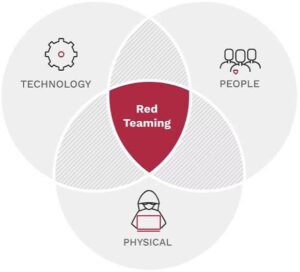
One of the primary reasons red teaming is important for cybersecurity is that it provides a realistic assessment of an organization’s overall security posture. Instead of concentrating on individual vulnerabilities, these engagements evaluate the effectiveness of people, processes, and technology working together. Cybercriminals rarely rely on a single weakness to achieve their objectives. They combine multiple attack techniques, exploit human error, and adapt to defensive measures. A realistic simulation allows organizations to understand how these different factors interact during an attack and where hidden weaknesses may exist.
Another significant advantage of red teaming is its ability to identify security gaps that conventional assessments may overlook. Automated vulnerability scanners and routine compliance checks can detect known issues, but they cannot always determine how multiple weaknesses could be chained together to compromise critical assets. Skilled security professionals conducting realistic attack simulations think like adversaries, uncovering weaknesses that are often invisible during standard testing. This comprehensive perspective helps organizations prioritize remediation efforts based on actual business risk rather than isolated technical findings.
Modern cyberattacks frequently begin by targeting people instead of technology, making employee awareness a crucial aspect of organizational security. Red teaming helps evaluate how employees respond to phishing emails, social engineering attempts, impersonation tactics, and other forms of psychological manipulation. These assessments measure whether existing security awareness programs effectively prepare staff to recognize suspicious behavior and follow established reporting procedures. The findings often reveal opportunities to improve employee training and strengthen organizational security culture.
Why is red teaming important for cybersecurity?
A major benefit of red teaming is its ability to test security monitoring and detection capabilities under realistic conditions. Organizations often deploy advanced monitoring platforms, endpoint detection systems, and threat intelligence solutions, but determining whether these technologies perform effectively during a genuine attack can be difficult. Simulated adversary activities provide valuable insight into whether suspicious behavior is detected, investigated, and escalated appropriately. This practical evaluation allows security teams to validate their monitoring strategies and improve visibility across the environment.
Incident response is another area where red teaming delivers significant value. Detecting malicious activity represents only the first step in defending against cyber threats. Organizations must also investigate alerts, contain attacks, communicate effectively, and restore operations while minimizing business disruption. Realistic attack simulations reveal how incident response teams perform under pressure, highlighting strengths as well as procedural weaknesses. These exercises provide opportunities to refine response plans, improve communication workflows, and ensure that security teams can act quickly during genuine incidents.
One of the distinguishing characteristics of red teaming is its focus on business impact rather than purely technical vulnerabilities. Instead of simply identifying weaknesses within individual systems, these engagements evaluate how attackers could compromise assets that are essential to organizational success. Financial systems, customer information, intellectual property, healthcare records, operational technology, and cloud infrastructure may all become part of realistic attack scenarios. This business-focused approach helps executives better understand cybersecurity risks and prioritize investments that protect critical operations.
Organizations increasingly rely on cloud computing, remote work technologies, and interconnected digital services, creating new opportunities for attackers. Red teaming helps evaluate the security of these modern environments by simulating realistic attacks against cloud platforms, remote access systems, identity services, and hybrid infrastructure. Testing these complex environments reveals configuration weaknesses, excessive permissions, and integration issues that could otherwise remain undetected. As technology continues to evolve, realistic security assessments become increasingly valuable for maintaining resilience.
Another important reason red teaming is essential for cybersecurity is its ability to validate existing security investments. Businesses often implement multiple security technologies from different vendors, including firewalls, endpoint protection platforms, identity management systems, and threat detection solutions. While each product may function correctly on its own, organizations need to understand whether these tools work effectively together during a coordinated attack. Realistic simulations provide measurable evidence of how defensive technologies perform under actual attack conditions, helping organizations optimize their cybersecurity strategies.
Regulatory compliance also benefits from red teaming, particularly in industries that manage sensitive information or critical infrastructure. Financial institutions, healthcare providers, government agencies, and organizations supporting essential services frequently face strict cybersecurity requirements. Although compliance assessments help verify adherence to regulations, realistic attack simulations go beyond checklist-based evaluations by demonstrating how security controls perform against sophisticated threats. This practical validation strengthens both compliance efforts and overall cybersecurity maturity.
Threat intelligence plays an important role in modern red teaming engagements. Security professionals study current attack techniques, emerging threat trends, and publicly documented adversary behavior to develop realistic scenarios that reflect today’s cybersecurity landscape. By aligning simulations with real-world threats, organizations prepare for attacks they are most likely to encounter instead of relying on outdated testing methodologies. This forward-looking approach supports continuous improvement as cyber threats continue to evolve.
Detailed reporting is another valuable outcome of red teaming. Every stage of the engagement is documented, including reconnaissance activities, attack paths, successful techniques, defensive responses, and identified weaknesses. The final report connects technical findings with business impact, enabling leadership to understand how security gaps could affect organizational operations. Recommendations are prioritized based on risk, helping organizations allocate resources efficiently while addressing the most significant vulnerabilities first.
Perhaps the greatest strength of red teaming is its emphasis on continuous improvement. Cybersecurity is not a one-time project but an ongoing process that must adapt to changing technologies, evolving threats, and new business requirements. Regular realistic assessments help organizations measure progress, validate remediation efforts, and identify emerging risks before attackers can exploit them. Each engagement strengthens defensive capabilities while providing valuable lessons that improve long-term resilience.
Ultimately, red teaming is important for cybersecurity because it delivers a comprehensive, realistic, and business-focused evaluation of an organization’s ability to withstand sophisticated cyberattacks. By testing people, processes, and technology together under conditions that closely resemble genuine threats, these engagements uncover hidden weaknesses, strengthen incident response, validate security investments, and improve overall resilience. As cybercriminals continue to refine their tactics and target organizations across every industry, adopting proactive security practices such as red teaming enables businesses to stay ahead of evolving threats and build stronger defenses that protect critical assets, sensitive information, and long-term operational success.
